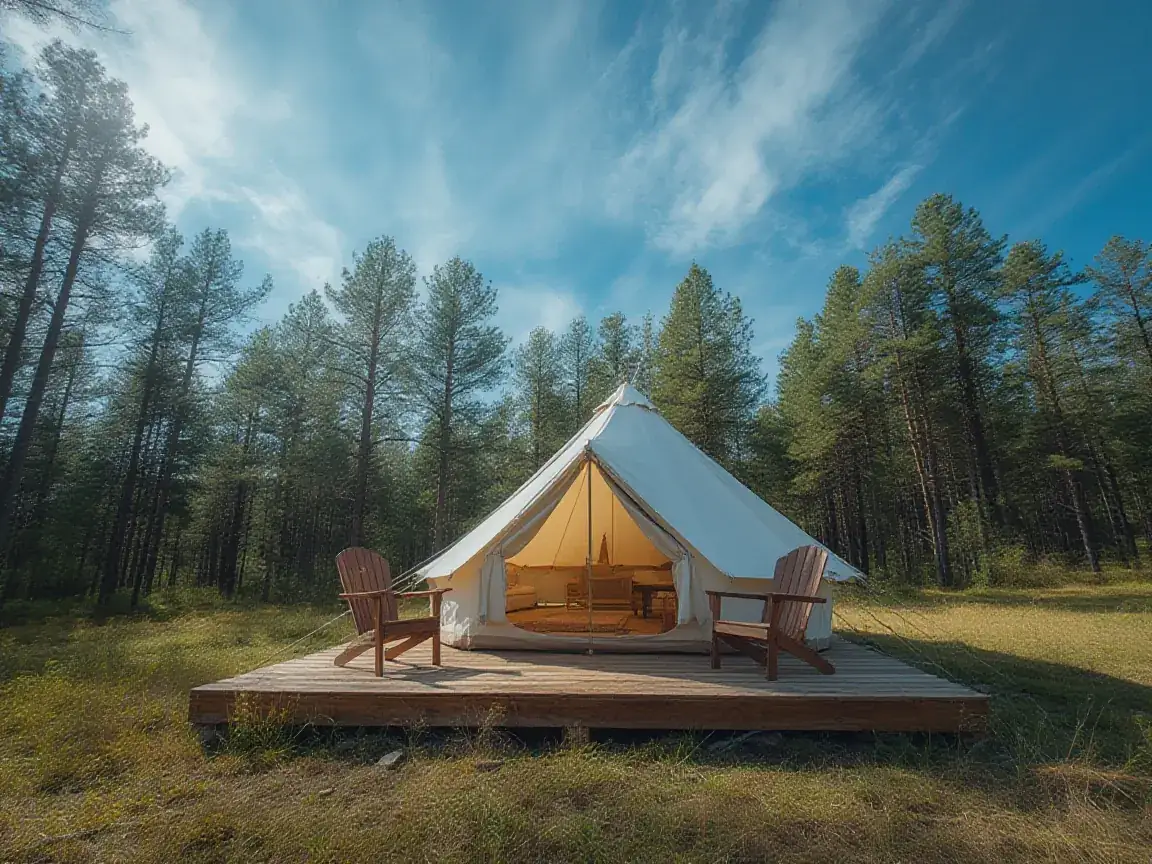
Local SEO for glamping and unique-stay operators
Your guest saw you on Instagram three weeks ago. Then they opened Google Maps to check whether you're a real place. That second step is the one you're probably losing.
Campground SEO: the facts
| Service | Local SEO, fixed price, in three sizes |
|---|---|
| Price range | $1,200–$3,800 USD |
| Serves | United States, Canada |
| Based in | Fort Erie, Ontario, working remotely |
| Phone | 866.268.2930 |
| hello@campgroundseo.com |
The search that starts somewhere else
A glamping booking almost never begins with a search. It begins with a photograph, on Instagram or Pinterest, seen by somebody who wasn't planning a trip that morning. They save it. A week later they've decided to do something for an anniversary, and now they search, and what they type is something like "unique glamping near me this weekend" or your name plus the town.
Then comes the step people underestimate. Before anybody spends four hundred dollars on a night in a dome, they check whether you exist. They open Maps, they look at your pin, they scroll your photos, and they read a few reviews. What they're actually asking is: is this a real business with real people, or a beautiful render attached to a dead link?
That verification pass takes ninety seconds and it happens after the desire is already there. You've done the hard part. You lose it because the map listing looks thinner than the Instagram grid did.
It's the menu in a restaurant window. The food inside might be excellent. But if the menu is faded, undated and priced in a currency the place stopped using, people keep walking, and they never find out.
Photos are the whole job here
Every campground benefits from good photos. For glamping they're the product. Somebody is buying a feeling and the only evidence available is what your listing shows them.
Four things that actually move this:
No stock photography, ever. A stock shot of a bell tent in unfamiliar woods is against Google's rules and it gets removed, but the bigger cost is that guests notice. The whole reason they came to Maps was to confirm you're real, and a stock image is direct evidence you might not be.
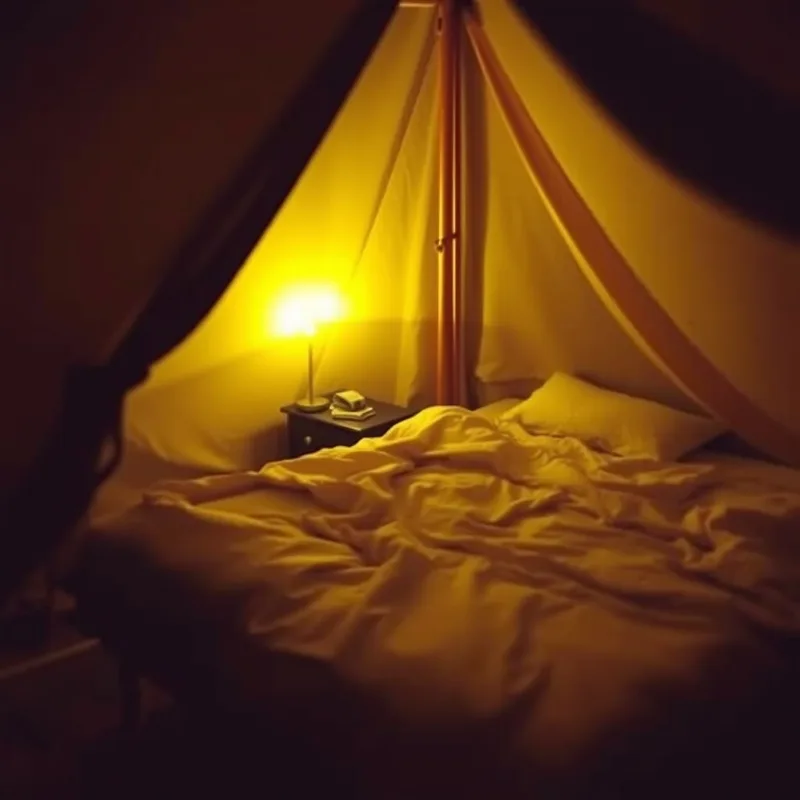
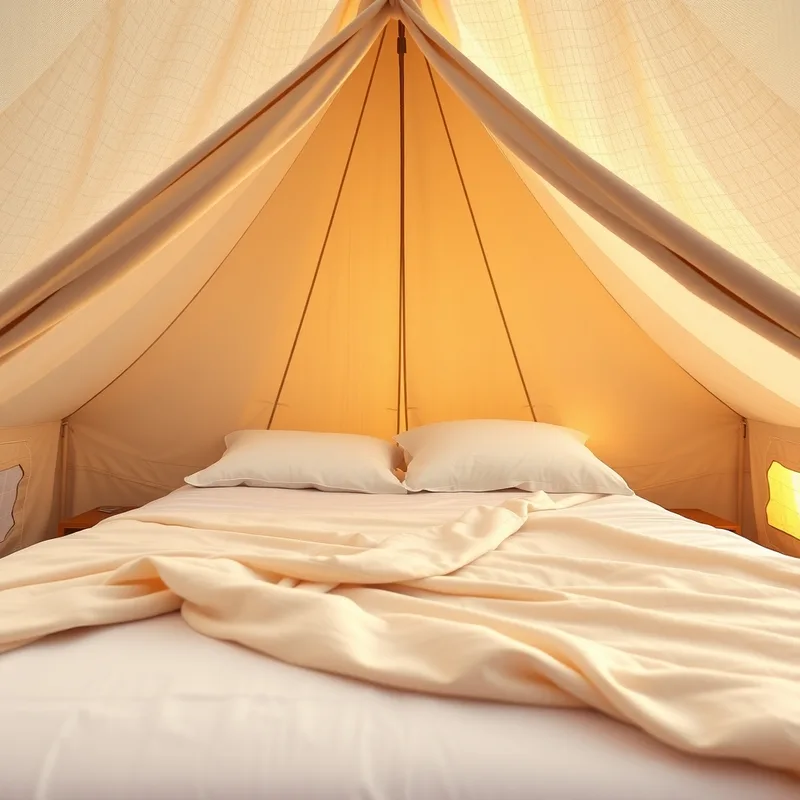
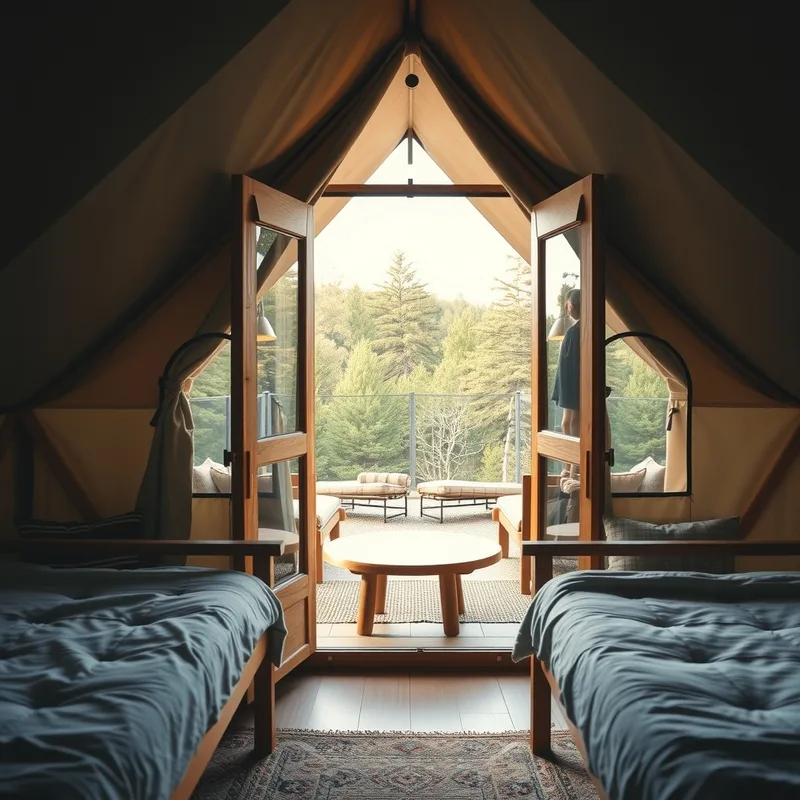
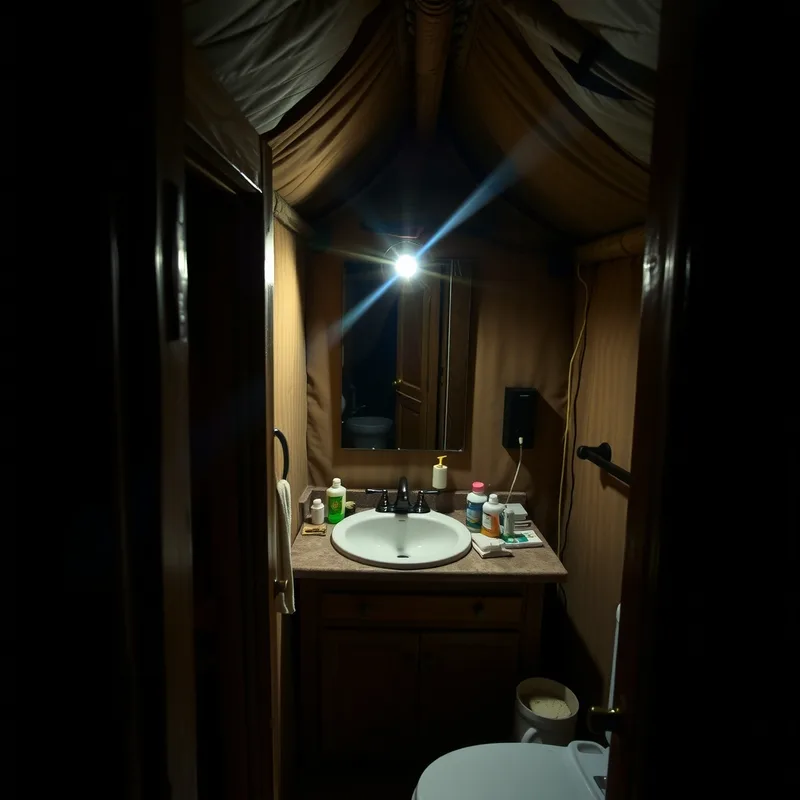
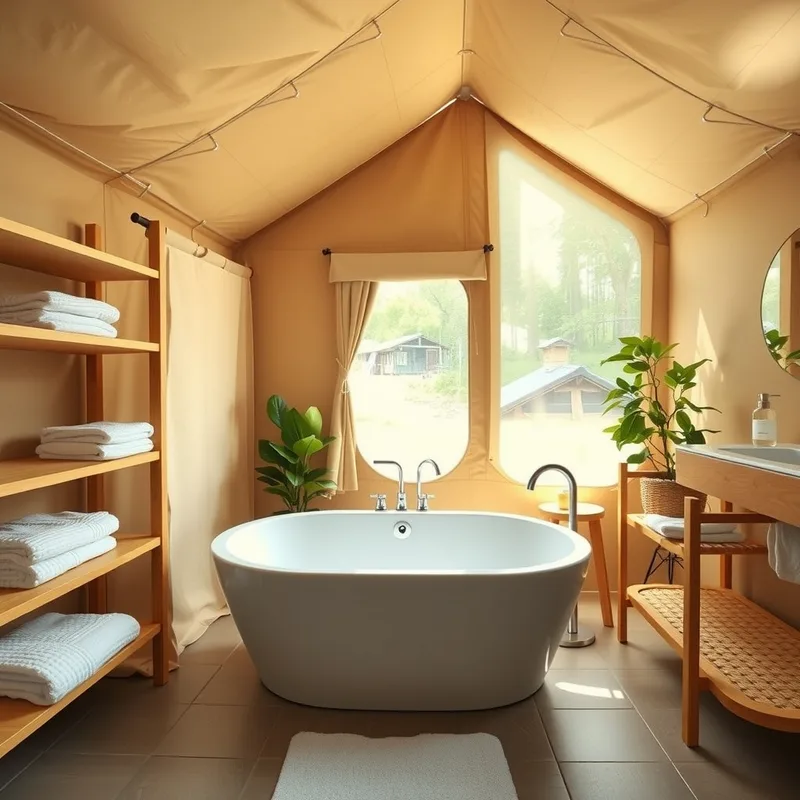
Shoot the inside, not just the outside. Almost every glamping listing I look at is heavy on drone shots of the property and light on the thing being sold. Photograph the bed at the hour of day it looks best. The view from inside the doorway. The bathroom, which is the single biggest unspoken question anyone has about a glamping stay and which almost nobody photographs.
Upload on a rhythm, not in a burst. Google's display favors current material, and a listing whose newest photo is fourteen months old reads as a place that may have quietly stopped operating. Two or three photos a month, taken on a phone, beat a professional shoot uploaded once and never touched.
Ignore anyone selling you geotagged photo uploads. Google strips location data out of images when you upload them. It has for years. It does nothing for your ranking and it's a line item that shows up on more small invoices than it should.
You don't fully control which photo Google shows as the main image, and guest photos often win that slot. That's a reason to make sure guest photos exist and are good, not a reason to stop uploading your own.
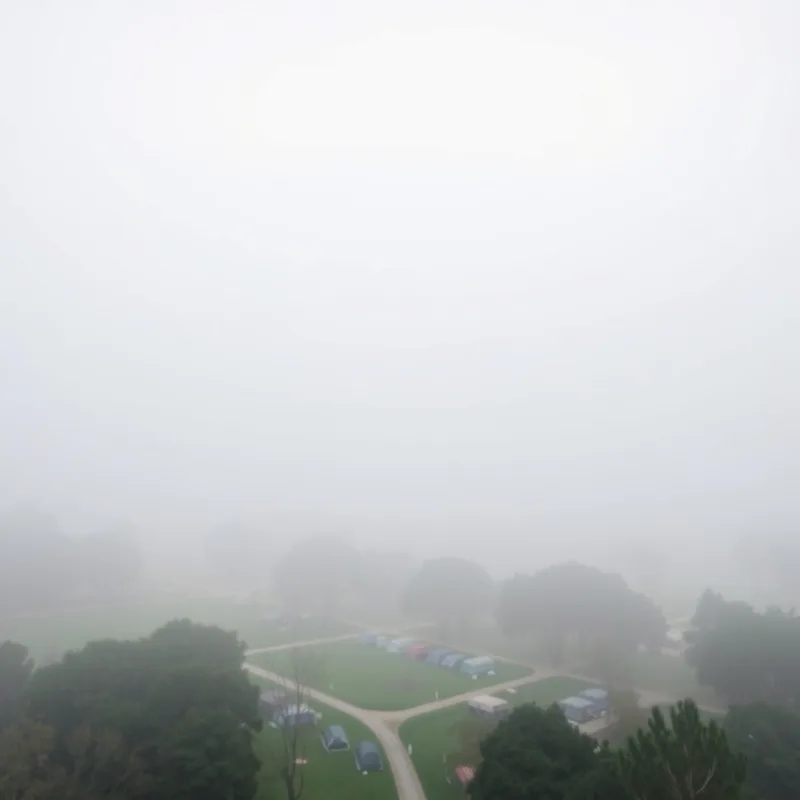
Here's what that actually looks like side by side. These are illustrative examples, not real guest photos, built to show the difference each one of the four points above makes.
Your category is probably wrong
Most unique-stay operators are filed under "campground," because that's the closest thing the owner recognized in the list when they set the profile up, often years ago and often before glamping was a word anybody used at the licensing office.
Google's category list has moved on. Type "glamping" into the category picker and read what comes back, because there is now a dedicated entry for it, and it is not the same as campground. The distinction matters more than it sounds. The person searching "campground near me" wants a site to park on for forty dollars. The person searching "glamping near me" is a different customer with a different budget and a different weekend in mind, and filing yourself under the first category puts you in front of the wrong one all summer.
If you genuinely run both, a traditional loop plus six safari tents, set the primary category to the business you want more of and add the other as a secondary. The primary is the one doing most of the work.
Check the neighboring entries too. Depending on what you actually operate, there may be a closer match than either: cabin rental, resort, and holiday-park style entries all exist and all behave differently. Read the whole list once. It takes five minutes and it's the highest-value five minutes on this page.
Reviews that describe the experience, not the campsite
A glamping review does a different job than a campground review. Nobody is checking whether the dump station was clean. They're checking whether the photos told the truth and whether the night felt like the thing they're paying for.
So the ask should be shaped accordingly. When you ask a departing guest for a review, ask them to mention what they stayed in by name. "If you have a minute, would you mention the dome and what the morning was like?" That does two things at once. It gives the next reader the specific detail that closes the sale, and it puts your actual product words into the review text, which is text Google can read and match against the phrases people type.
Ask at the right moment, which is at checkout while they're still there and still glowing, not four days later from an inbox. The method that works, including how to do it where the cell coverage is poor, is in how to get campers to leave a Google review before they check out.
Then reply to all of them in your own voice. This segment gets read closely. A guest deciding to spend real money on a novelty stay is reading your replies to find out what kind of host you are, and a warm, specific reply to a middling review does more work than another five-star with silence under it.
Common questions
Is glamping a different Google category from campground?
Yes, there is now a dedicated glamping entry. If you run both a traditional loop and safari tents, set the primary to the business you want more of and add the other as a secondary.
Why do guests check Google Maps after they saw us on Instagram?
They are checking that you are a real business. That ninety-second look at your pin, photos and reviews happens after the wish is already there, so a thin listing loses a guest you had already won.
Can I use stock photos on my listing?
No. Stock images are against Google's rules and get removed, and guests notice them. They came to Maps to confirm you exist, and a stock photo suggests you might not.
How often should I upload photos?
Two or three a month, taken on a phone, beat one professional shoot that is never touched again. A listing whose newest photo is fourteen months old can look like a place that quietly stopped operating.
What should I ask guests to mention in a review?
What they stayed in, by name, and what the morning was like. That gives the next reader the specific detail and puts your real product words into text Google can read.
What this looks like as a job
Category corrected to the one that matches what you actually sell. A photo set that answers the questions a guest is really asking, plus a rhythm you can keep on a phone. Listings across the directories that carry weight in this niche. A review-request system built around the experience rather than the site number. Hours and season dates handled so you don't vanish in the off-season.
Three sizes, from $1,200, one payment each, with the full breakdown on the main page. Everything is yours to keep.
Pricing shown in USD. See Canadian-dollar pricing →
Email hello@campgroundseo.com with what you operate and where you are. I'll look at your listing before I quote you anything, and I'll tell you which of it you could fix yourself this week. If it's the site itself that doesn't look like the product yet, CampgroundWebDesigner's glamping page covers that instead.
Ready to get a fixed-price quote?
I reply within one business day.